

Why Good Ingredients Should Still Taste Good
- Techasit Chinprapinporn
- 5 days ago
- 5 min read

Good ingredients can carry a lot of expectation. They are often described as clean, careful, seasonal, natural, or thoughtfully sourced. That all matters. But food still has to do the simplest thing well: it should be enjoyable to eat.
When the pursuit of “better” food turns into a checklist, flavour can get pushed to the side. A bowl becomes a statement. A snack becomes a rule. A meal becomes something to fix, perfect, or justify.
Balanced food has a different energy. It respects ingredients without making them precious. It leaves room for salt, crunch, sweetness, sourness, heat, comfort, and pleasure. It understands that good food is allowed to taste good.

Good ingredients are the beginning, not the whole story
A ripe tomato is beautiful on its own. So is fresh mango, good olive oil, fragrant rice, toasted nuts, or just-made bread. But even the best ingredient can fall flat if it is treated like a museum piece.
Cooking is where ingredients become a meal. That can be as simple as:
A squeeze of lime over something rich
A pinch of salt on something sweet
A crisp topping on something soft
A creamy element next to something sharp
Fresh herbs added at the end
None of this makes the ingredient less “good”. It helps the ingredient show up fully.
A plain steamed vegetable may be technically fine. The same vegetable with garlic, chilli, sesame, or a bright dressing may be the thing people actually reach for again. That repeat feeling matters. Food that feels satisfying is more likely to become part of real life.
Perfection can make food feel smaller
There is a strange pressure around eating well. Meals can be judged by what they exclude, how tidy they look, or whether they match a certain idea of purity. That can make food feel less generous.
Perfection often asks one question: does this meet the rule?
Enjoyable balance asks better questions:
Does this taste complete?
Is there enough texture?
Does it feel satisfying?
Would someone want another bite?
Can this fit into an ordinary day?
Those questions are more useful because they include the human part of eating. People eat with memory, mood, culture, weather, appetite, habit, and budget. A beautiful plate that ignores those things may look impressive, but it can feel distant.
Balanced food does not need to prove itself. It just needs to make sense on the plate.

Taste is part of care
There is nothing shallow about wanting food to be delicious. Taste is one of the main ways food becomes welcoming.
A dish with depth says someone paid attention. Maybe they toasted the spices first. Maybe they balanced the dressing. Maybe they added something crisp right before serving. These are small choices, but they change the experience.
In Thai cooking, balance is often easy to recognise. Sweet, sour, salty, spicy, bitter, fresh, rich, and smoky can all appear in one meal without fighting each other. The point is not excess. The point is harmony.
That idea travels well. A salad can feel more complete with roasted nuts and a tangy dressing. A yoghurt bowl can feel more satisfying with fruit, honey, and something crunchy. Rice can become a proper meal with egg, vegetables, herbs, and a sauce that brings everything together.
Good ingredients deserve this kind of attention. They do not need to be hidden, but they do need support.
Enjoyment makes better eating more realistic
Food habits are built through repetition. People return to meals that are practical, familiar, and pleasurable. If a dish feels like a duty, it may work once or twice. If it tastes genuinely good, it has a better chance of staying.
That does not mean every meal needs to be exciting. Some days call for toast, soup, leftovers, or a quick bowl of rice. The goal is not constant creativity. It is to keep enough pleasure in the picture that eating well feels liveable.
A balanced approach gives permission to use flavour. Add the dressing. Season the vegetables. Toast the bread. Use the sauce. Put something crunchy on top. These details can turn “good for you” food into food you actually want.
There is also comfort in ease. A meal does not have to be handmade from start to finish to be thoughtful. Combining good ingredients with a few reliable flavour moves can be enough.

The best food has contrast
Many meals feel unfinished because they stay in one lane. Soft with soft. Rich with rich. Mild with mild. Good ingredients can still feel dull when there is no contrast.
A simple way to build balance is to think in pairs.
Rich
Soft
Sweet
Warm
Mild
Bright
Crunchy
Salty
Fresh
Spiced
This does not require complicated cooking. A few examples:
Add pickled onion to roasted vegetables
Finish soup with herbs and chilli flakes
Pair creamy coconut with lime
Add toasted seeds to fruit and yoghurt
Serve grilled tofu or chicken with a sharp dipping sauce
These choices make food more alive. They also keep the focus on the ingredient instead of covering it up.
Flavour is not decoration. It is structure.
“Healthy-looking” is not the same as satisfying
A meal can look clean and still feel incomplete. A snack can seem simple and still leave something missing. Visual cues can be helpful, but they do not tell the whole story.
Satisfaction often comes from a mix of elements: enough substance, enough flavour, and enough pleasure. A plate of raw vegetables may be colourful, but it may need hummus, eggs, noodles, rice, nuts, cheese, tofu, or dressing to feel like food rather than a task.
This is where balance matters more than perfection. The aim is not to make food heavier or more complicated. The aim is to make it whole.
When food is enjoyable, it becomes less about control and more about connection. Connection to appetite. To season. To culture. To the people at the table. To the simple happiness of a good bite.
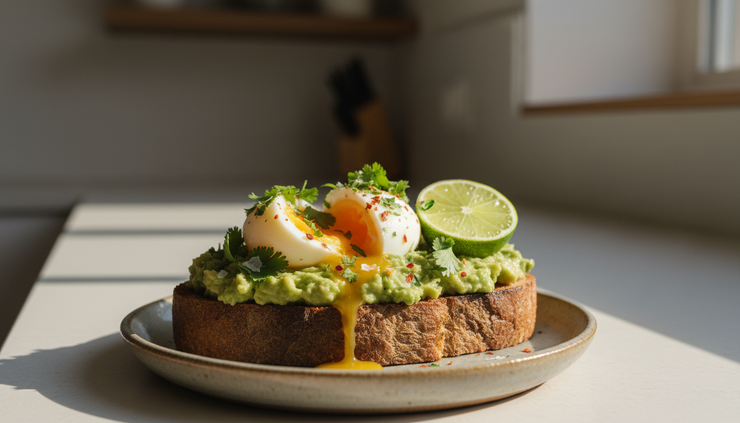
Let good food be generous
The conversation around better eating does not need more pressure. It needs more honesty. People do not only eat nutrients, trends, or ingredient lists. They eat meals. They eat texture, aroma, memory, and mood.
That is why good ingredients should still taste good. Because flavour helps care feel real. Because pleasure makes balance easier to return to. Because a meal can be thoughtful without being perfect.
Choose the fresh thing, then season it well. Pick the good ingredient, then let it be delicious. The best food does not ask for approval before it brings joy to the table.


Comments